
Self-hosted device fingerprinting starts with a product question: can you identify a returning browser or device while keeping collection, visitor ID generation, and signal storage on your own servers? For signup, login, trial, checkout, and account-abuse controls, the useful answer is not just an ID. It is a pipeline you can operate and audit.
That pipeline has boundaries. You may own the browser agent route, server-side collection, visitorId mapping, policy, and retention. You may still outsource hard-to-maintain signals such as bot, VPN, Tor, incognito, tampering, or VM detection. The goal is to know which parts you control and where external signals enter your decision.
Decide what you want to own
Split the system into four layers before you write code.
Collection
Collection is the browser-side and server-side work that gathers request context, browser properties, and interaction signals. If you host this layer, your app loads your own browser agent and sends events to your own first-party endpoint.
Identification
Identification turns signals into a stable visitorId and a unique requestId. The visitorId is the device-level reference you compare across accounts, sessions, and events. The requestId is the audit handle for one collection event.
Decisioning
Decisioning maps signals to policy. For example: allow a normal login, challenge a login from a known device using a VPN, or block automation that fails a proof-of-work challenge.
Storage and retention
Storage defines what facts you keep, for how long, and who can access them. Keep raw collection data separate from derived decision data so you can reduce exposure without losing the facts needed for abuse prevention.
Collect browser and request signals on your servers
Use three pieces: a browser agent, a collection endpoint, and a server-side evaluation route. Load the agent from your domain and send collection calls to an endpoint such as /fingerprint/collect. That endpoint should create a requestId, attach server-side context, and return only what the client needs.

On the server, treat client data as untrusted input. Add IP-derived context, user agent, timestamp, authenticated account ID when present, and the protected action, such as signup, login, checkout, or password reset. If you use a public key in the browser, keep the secret key server-side only.
For privacy review, document what you collect, why you collect it, and how long you retain it. This is not legal advice; have counsel review your consent, notice, and retention approach for your markets.
Generate a stable visitorId without over-collecting
Your visitorId should be stable enough for abuse decisions and limited enough to avoid unnecessary raw data retention. A common pattern is to normalize selected signals, derive a fingerprint server-side, and store the derived identifier separately from the raw event.
Do not make visitorId the only signal in your policy. Browsers change. Users switch devices. Households and offices share networks. QA scripts and AI agents may look unusual without being abusive. Use the ID as one input in a broader risk score.
A useful evaluation object can look like this:
{
  requestId,
  visitorId,
  linkedId,
  accountsOnDevice,
  signals: { bot, vpn, tor, incognito, tampering, vm },
  decision: 'challenge',
  reasonCode: 'new_account_on_known_device'
}
Use linkedId to connect the event to your internal object: account ID, signup attempt, trial workspace, checkout session, or password reset. That lets your team ask whether one device is creating many trials or one account is appearing on unrelated devices.
Store signals for decisions and retention
Design storage around decisions, not collecting everything forever. Keep three basic record types:

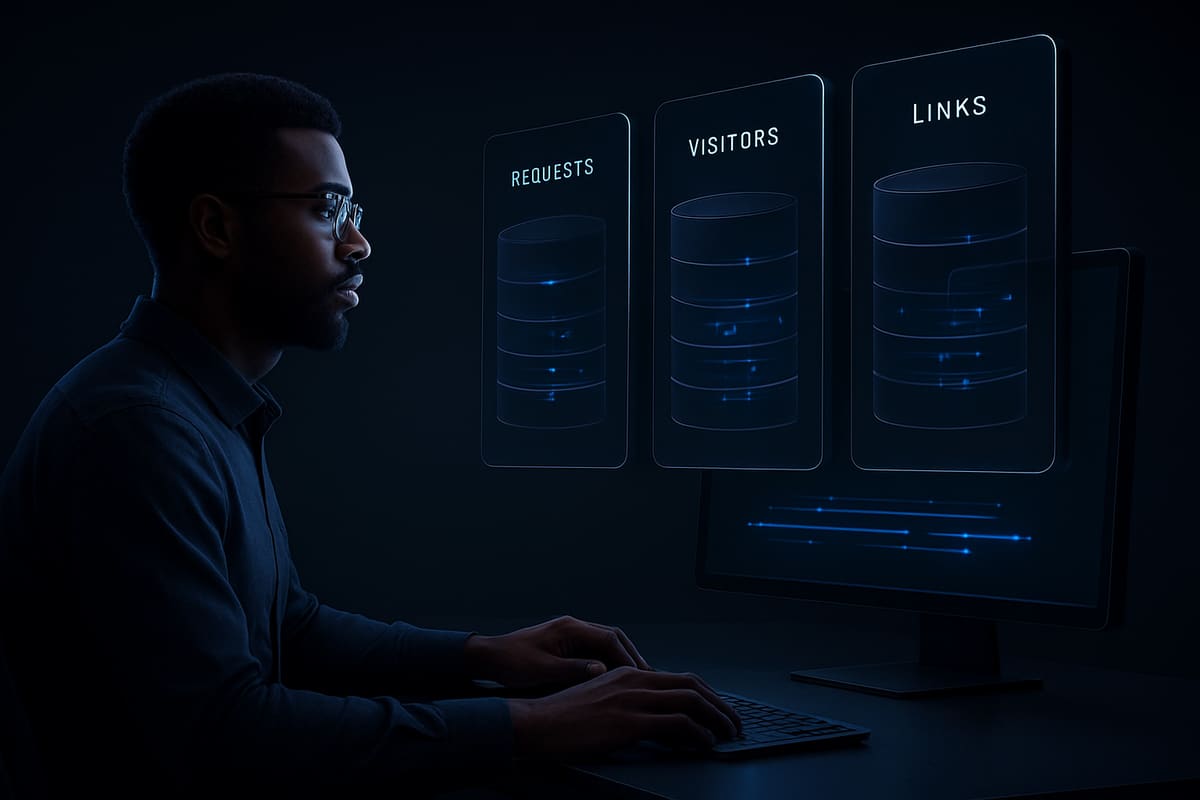
- Requests:
requestId, timestamp, route, IP-derived context, user agent, and collection status. - Visitors:
visitorId, first seen, last seen, coarse device metadata, and risk summary. - Links:
visitorId,linkedId, account or workspace reference, reason code, and decision.
For signup and trial abuse, accountsOnDevice is often the most useful derived fact. Most multi-accounting questions boil down to one sentence: this device has already created three accounts. Your policy can decide whether that means allow, challenge, or block.
Set retention deliberately. You may keep short-lived raw signals for debugging while keeping derived abuse facts longer. If a user submits an erasure request, your process should identify which records are personal data, which records are security logs, and which minimal facts you retain for abuse prevention after review.
Choose what to build and what to outsource
Self-hostable device fingerprinting does not mean rebuilding every signal yourself. It means your server controls the flow, identity mapping, and final decision.
You typically own the collection endpoint, visitorId to linkedId mapping, allow/challenge/block thresholds, retention, access control, audit logs, and product action after a decision.
You may use a specialized component for Smart Signals such as bot, VPN, Tor, tampering, VM, and incognito detection; sealed results; Form Shield; proof-of-work challenge flows; and passToken validation for requests that need proof of a recent browser check.
This split keeps your team in control of user data flow and policy while avoiding a long build cycle for signals that require constant maintenance. The important boundary is clear: your server should make the final decision, even when an external signal contributes to the risk score.
FAQ
Is self-hosted device fingerprinting only for large teams?
No. The basic pipeline is manageable if you already operate server-side authentication or billing systems. The main requirement is discipline around collection, storage, access, and policy review.
Should I block every repeated device?
Usually no. A repeated device may be a family computer, shared office machine, QA test, or legitimate user creating a second workspace. Start with watch or challenge policies, then enforce when the reason code is clear.
What should I log for debugging?
Log requestId, visitorId, linkedId, decision, reason code, and the signals used for that decision. Avoid exposing raw browser details to broad internal tools unless access is controlled.
Try it free: Prynt is a managed cloud service, not a self-hosted one, so it fits the “specialized component” side of this split: it supplies device identification, Smart Signals, and fraud decisioning, while your server fetches the verified result with its secret key and keeps the final decision. Start with your own policy, connect the events that matter, and evaluate each visitorId before you enforce. Try Prynt.
Try it free
Prynt is device intelligence with a free plan: 5,000 identifications a month, visitor IDs with confidence and bot detection — no credit card. Upgrade to Pro for VPN, proxy, tampering and behavioral signals.