
Most subscription teams can name the campaign that produced a signup. Far fewer can name what produced the renewal in month eleven or the seat upgrade in month fourteen. Device level revenue attribution closes that gap: it credits acquisition, renewal, and expansion revenue to a stable device identity instead of a cookie that may be long gone.
The problem is structural. Cookies get cleared, third-party storage is blocked in most browsers, and one person moves between a laptop, a phone, and a work browser inside a single billing cycle. When the identifier disappears, the revenue story breaks: the renewal looks like direct traffic, the upgrade looks organic, and the paid channel that started the relationship gets nothing.
This guide covers how to attach subscription revenue to a device identity, which events to bind to it, and where the approach stops being reliable.
Why cookie-based revenue attribution breaks on subscriptions
Cookie attribution was built for a short funnel: ad click, page view, purchase, usually in the same browser within days. Subscriptions stretch that funnel across months and devices.
The identifier expires before the revenue does
A first-party cookie set at signup is often cleared by browser hygiene settings, privacy extensions, or a switch to another browser. The renewal event then arrives with no cookie to match, and the model falls back to direct or organic.
Renewals land as anonymous revenue
If the payment webhook carries no durable identity, the renewal is recorded as revenue with no source. Upgrades look like plan changes rather than outcomes of the acquisition channel, and cohort reports quietly over-credit whichever channel converts best on repeat visits.
Browser switches split one subscriber in two
A trial started in Safari on a phone and a subscription completed in Chrome on a laptop are two cookie identities, even though they are one person with one account.
What device level revenue attribution actually means
Device level revenue attribution resolves a device identity at every touch and joins it to the revenue events your billing system already produces. It has three parts:
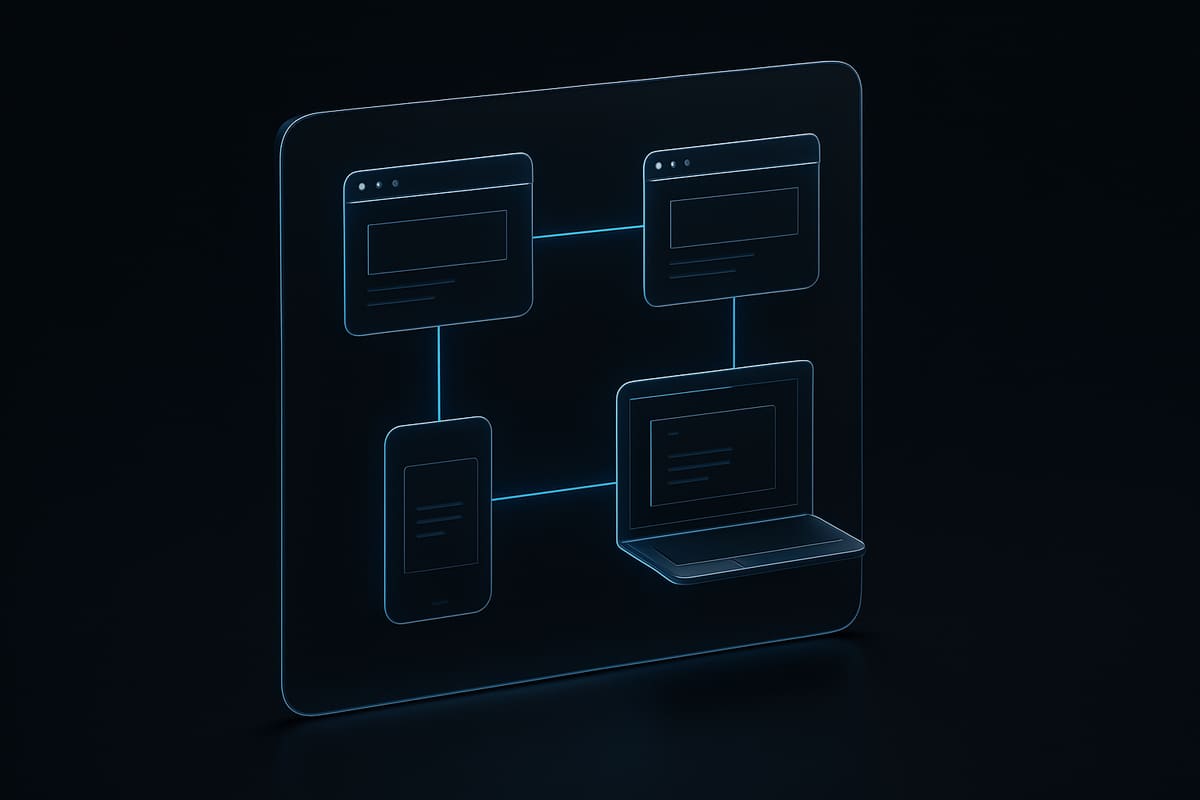
- A device identity derived from browser and device signals, stable enough to recognize the same device after storage is cleared.
- A binding between that identity and your account ID, so revenue events land on the right customer.
- An attribution model applied to first-party events, not to ad-network pixels.
The output is a table you can query: device, account, acquisition source, and every renewal or upgrade that followed. Prynt Identify produces the identity as a visitorId on each request; the reporting layer consumes it.
How to wire it up
Four steps, in this order.
Step 1: resolve a visitorId on every page
Resolve a visitorId at the edge or on your server on each page load and store it with the session. Make the same call at signup so the identity used for marketing is the identity used for risk decisions. Our device fingerprinting page covers the signals involved.
const { visitorId } = await identify(request);
session.visitorId = visitorId;
Step 2: bind subscription events to the account
Emit events for trial_start, trial_converted, renewal_paid, seat_upgrade, reactivation, and refund. Each one carries visitorId and accountId. Prynt Analytics accepts custom events, and Revenue AI reads first-party events like these.
Step 3: bridge browser switches
When the same person appears in a second browser, join the new identity to the existing account at login. Prynt’s identity graph links identities that belong to the same device over time and is available on the Scale plan; logins and consented first-party data complete the picture.
Step 4: keep the identity on the invoice
Store visitorId on the customer record at signup so renewals arrive from your billing provider already attached to a device identity.
From device identity to renewal and upgrade revenue
Once renewals carry a device identity, attribution becomes a data question rather than a guess. Prynt Revenue AI reports first-touch, last-touch, and linear attribution from first-party events, plus scored opportunities with the reasons behind them.

Two checks keep the report honest:
- Segment renewals by whether they arrived on the same device identity as the signup. A low same-device rate points at identity resolution, not at your channels.
- Compare bot-excluded traffic with raw traffic. Crawlers and AI agents should never appear in a revenue cohort; Prynt Analytics excludes bot sessions by default.
Privacy boundaries and shared devices
A device identity is not a person. Households share laptops, offices share machines, and people use work devices for personal subscriptions. Treat the device as one signal in attribution and the account as the unit of revenue.
- Keep identifiers technical and hashed wherever they leave your systems.
- Disclose device-level identification in your privacy notice and honor opt-outs.
- Do not make decisions about individuals from attribution data without a lawful basis.
Our accuracy page documents how identity confidence is measured. This is not legal advice; your counsel sets the boundaries.
FAQ

Does device level revenue attribution survive a cookie clear?
Usually yes. The identity is resolved from device and browser signals rather than a stored cookie, so clearing cookies does not erase it. It is not absolute: a new device, a changed browser profile, or hardened privacy settings can break the link.
Can one device hold several subscriber accounts?
Yes. Bind the identity to the account ID at login so a shared laptop used by two subscribers maps revenue to the right account, then segment shared devices in reporting instead of assuming one device equals one customer.
Do we have to replace our billing system or CRM?
No. Emit the events you already produce with an extra visitorId field. Prynt Automate can sync decisions and events to a CRM or a signed webhook if you want renewals there automatically.
Create a free Prynt account at https://pryntid.com — 5,000 identifications a month, no card — and run device level revenue attribution next to your current model for one billing cycle before you change any report. The platform overview shows how Identify, Analytics, and Revenue AI fit together.
Try it free
Prynt is device intelligence with a free plan: 5,000 identifications a month, visitor IDs with confidence and bot detection — no credit card. Upgrade to Pro for VPN, proxy, tampering and behavioral signals.